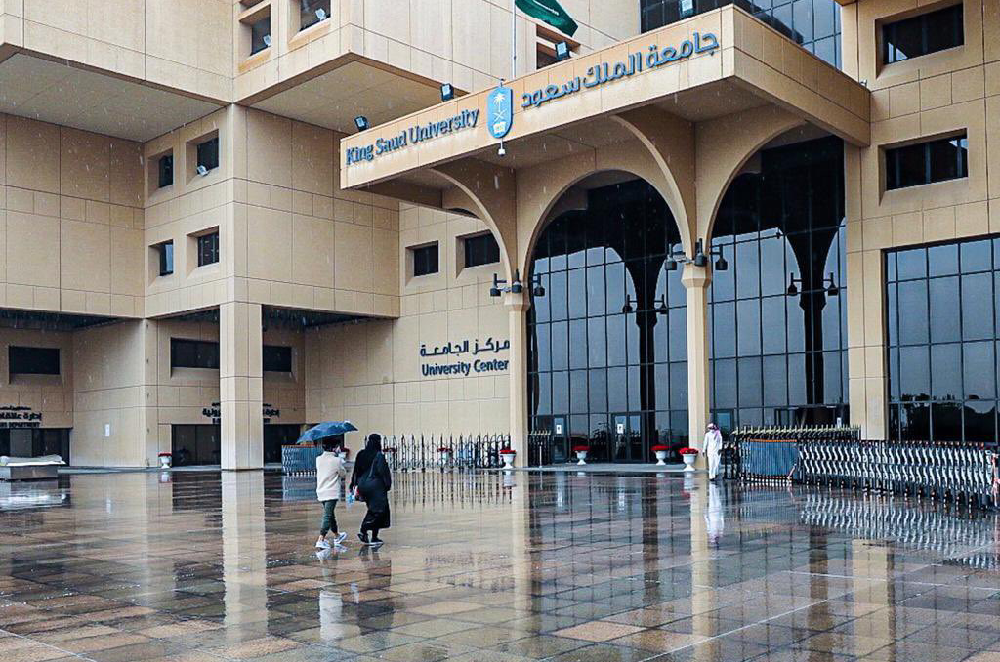
King Saud University
Global leadership and excellence in building a knowledge society
About King Saud University
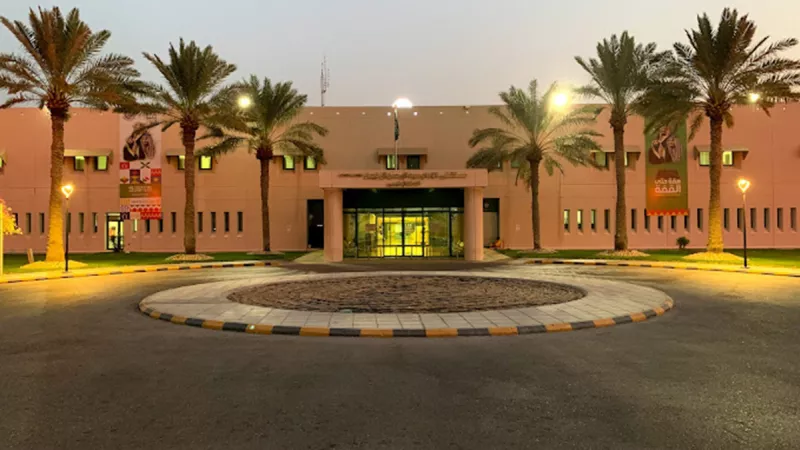
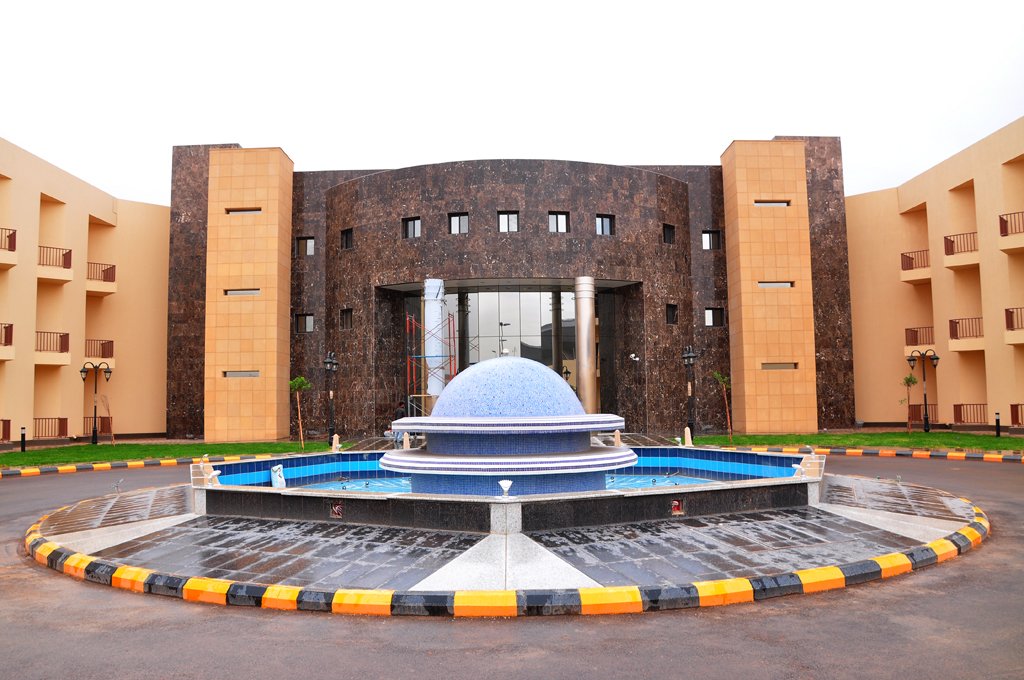
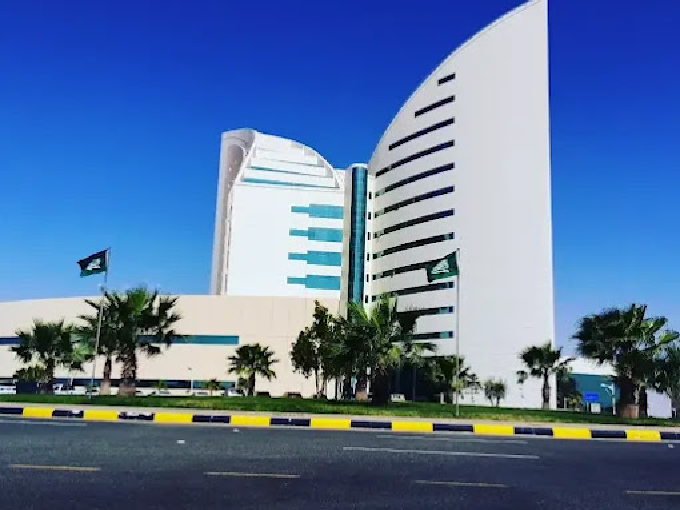
King Saud University in Riyadh opened in 1957 as Saudi Arabia’s first university and first institution of higher education. Its establishment responded to the educational and professional needs of a young nation.
Founding and educational mission
After being proclaimed King in 1932, Abdulaziz Al-Saud began laying the foundations for modernizing the country and establishing an educational system. His eldest son, Saud, succeeded him following his death in 1953 and subsequently established the Council of Ministers and the Ministry of Education.
Prince Fahd, who later became King, served as the first Minister of Education. Following the first Council of Ministers session, he announced plans for the first Saudi university, envisioning a prominent center of culture and science worthy of the country’s Islamic faith and civilization. He prioritized higher and vocational education and the creation of university colleges, institutes and laboratories built to the highest standards.
In 1957, Prince Fahd announced the founding of King Saud University under Royal Decree No. 17. Its mission included spreading knowledge, broadening scientific and literary study, keeping pace with other nations in the arts and sciences, and contributing to discovery and invention. It also sought to revive Islamic civilization, highlight its benefits and achievements, and nurture young people’s intellectual and moral development.
Academic and institutional development
The university’s administrative organization evolved with the nation’s changing needs and expanding role, alongside the establishment of colleges and branches throughout Saudi Arabia.
- 1957–1958: Students began studying at the College of Arts.
- 1958–1960: The Colleges of Sciences, Business (now the College of Public Administration) and Pharmacy were established.
- 1961: Royal Decree No. 112 granted the university independent status and its own budget, with responsibility for higher education, scholarly research, and advancing sciences and arts. The Minister of Education was designated Rector, and the positions of Vice Rector and Secretary General were established. Each college and institute was required to have a dean, vice dean and university council.
- 1965: The College of Agriculture was established. The university assumed responsibility for the Colleges of Engineering and Education, previously under the Ministry of Education in cooperation with UNESCO.
- 1967: King Saud University was renamed the University of Riyadh.
- 1969: The College of Medicine was established.
- 1974: The Arabic Language Institute for non-Arabic speakers and the Deanships of Admission and Registration, Student Affairs, and Libraries were established.
- 1976: The Colleges of Dentistry and Applied Medical Sciences were added to the Riyadh campus. The Abha campus opened with the College of Education.
- 1978: The Graduate College assumed responsibility for supervising and organizing graduate programs across the university’s departments.
- 1980: The College of Medicine in Abha was established.
- 1981: A branch opened in Qassim with the Colleges of Agriculture, Veterinary Medicine, and Economics and Administration.
- 1982: On its 25th anniversary, the university regained the name King Saud University by order of King Khalid bin Abdulaziz. The Deanship of Community Service and Continuing Education replaced the Center for Community Service, and King Khalid University Hospital (KKUH) formally opened.
- 1984: The Colleges of Computer and Information Sciences and Architecture and Planning were established.
Further expansion and research
- 1991–1995: The Institute of Languages and Translation was established in 1991 and became the College of Languages and Translation in 1995.
- 1996: The Council of Higher Education approved the Center for Consulting and Research, later renamed the King Abdullah Center for Consulting and Research.
- 1997: King Saud University Community College in Jazan and the College of Sciences at the Qassim campus were established.
- 1998: King Khalid University in southwestern Saudi Arabia was accorded university status, and the branch of Imam Islamic University became an independent university. Following unified graduate-study regulations for Saudi universities, the Graduate College became the Deanship of Graduate Studies. The Deanship of Academic Research was established under the System of Academic Research.
- 2000: The College of Medicine was established at the Qassim campus. The Deanship of Community Service and Continuing Education became the College of Applied Studies and Community Service.
- 2001: The Community College in Riyadh was established.
- 2003: The College of Science at Al-Jouf was established, and the College of Engineering opened at Qassim, which became an independent university. Community colleges were approved for Al-Majma’ah, Al-Aflaj and Al-Qurayyat.
University rectors
- Dr. Abdulwahab bin Mohammed Azzam: 1957–1959.
- Sheikh Nasser Al-Manqour: 1959–1960.
- Abdulaziz bin Mohammed Al-Khuwaiter: 1961–1971.
- Abdulaziz bin Abdullah Al-Fadda: 1971–1979.
- Mansour bin Ibrahim Al-Turki: 1979–1990.
- Ahmed bin Mohammed Al-Dhubaib: 1990–1995.
- Abdullah bin Mohammed Al-Faisal: 1995–2007.
- Abdullah bin Abdulrahman Al-Othman: 2007–2012.
- Badran A. A. Al-Omar: 2012–present.
Photos
Frequently asked questions
Where is King Saud University located?
King Saud University is located at King Saud University, Riyadh 11451, Saudi Arabia.
What is the phone number of King Saud University?
You can reach King Saud University on +966114670000.
What is the official website of King Saud University?
The official website is https://ksu.edu.sa/
How can I email King Saud University?
Email King Saud University at info@ksu.edu.sa.
Reviews
No ratings yetNo reviews yet. Be the first to share your experience.
Similar businesses
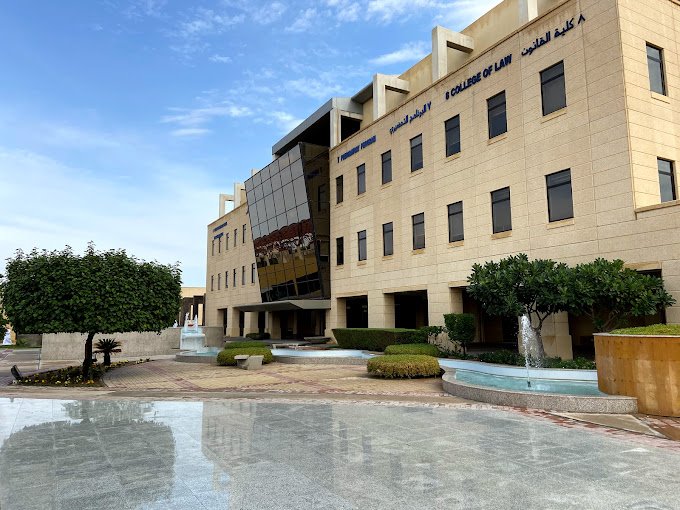
617, Al Jawharah, Khobar, Dhahran 34754, Saudi Arabia
View details
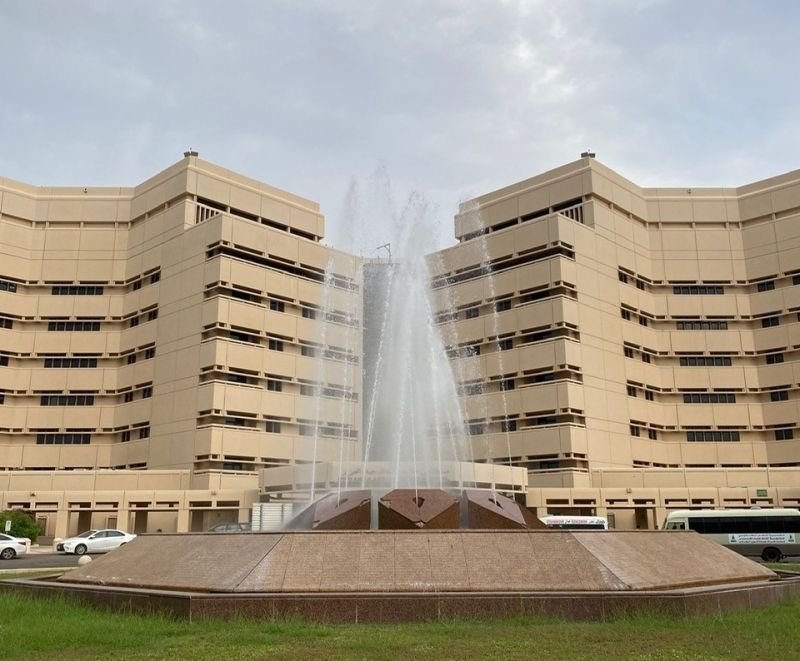
King Abdulaziz University
4.4(4861)F6VQ+8M2, Idara St, King Abdul Aziz University, Jeddah 22254, Saudi Arabia
View details
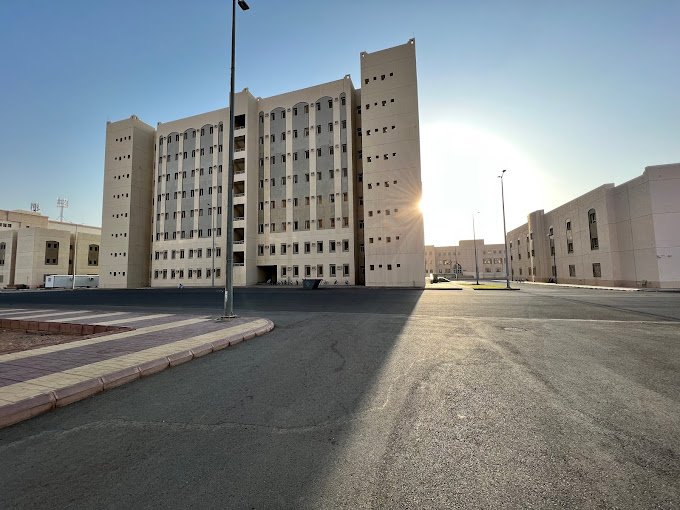
Sultana Road, University, Medina 42351, Kingdom of Saudi Arabia
View details
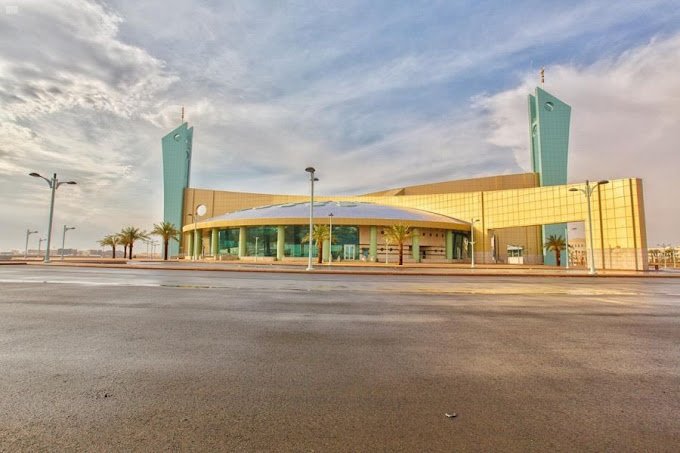
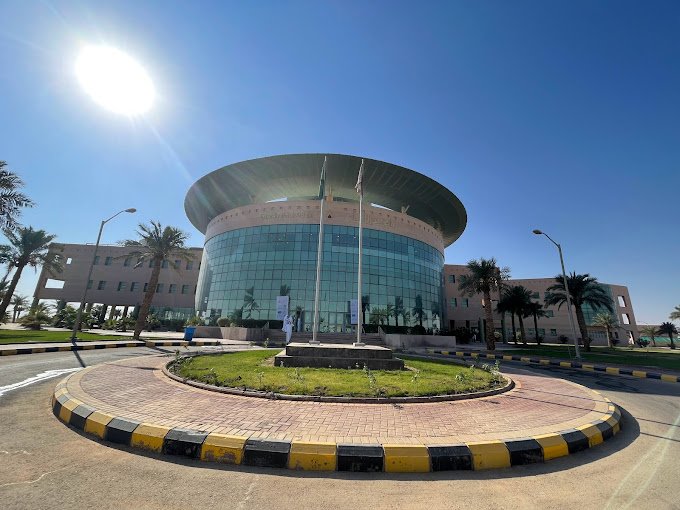
University, Hafar Al-Batin 39524, Kingdom of Saudi Arabia
View details
More businesses in Riyadh